
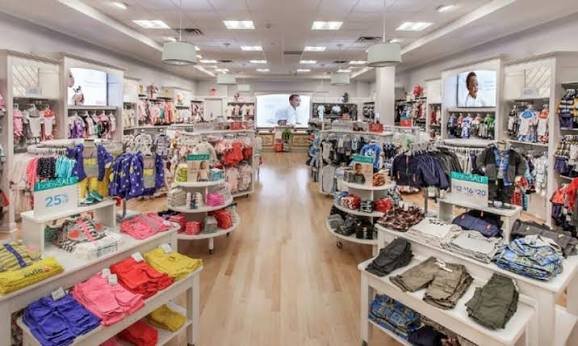
If you’ve seen headlines about Carter’s closing stores and cutting jobs, it’s easy to panic — especially if there’s a Carter’s near you. But the full picture is more straightforward than those headlines suggest.
Carter’s is not shutting down. What’s happening is a planned restructuring: fewer stores, fewer office employees, and a simpler product lineup. Here’s exactly what was announced, why it’s happening, and what it means if you shop there.
Carter’s Is Not Going Out of Business
Let’s answer this directly: Carter’s has not filed for bankruptcy, has not announced a liquidation, and is not closing all of its stores.
The company is still operating hundreds of locations across the U.S. plus a full online store. It announced a plan to close roughly 150 underperforming locations over about three years — that’s a restructuring, not a shutdown.
One clear sign the company is still financially active: Carter’s recently closed a $500 million senior notes offering. Businesses that are collapsing don’t typically have access to that kind of capital market activity. That’s a company managing its finances, not one circling the drain.
Restructuring and going out of business are two very different things. Restructuring means a company is making cuts to stay profitable. Going out of business means it can no longer operate at all. Carter’s is doing the first one.
What Carter’s Actually Announced
Carter’s laid out its plan during its October 27, 2025 Q3 earnings call. Here are the specific facts:
- 150 stores will close across North America over roughly three years.
- About 100 of those closures are expected by 2026; the rest will happen as leases expire.
- Around 300 office-based jobs will be cut — about 15% of office roles.
- The job cuts are expected to save roughly $35 million per year.
- New U.S. store openings in the current store format have been suspended.
- Carter’s plans to reduce its product assortment by 20–30% to simplify what it sells.
To put the store closures in context: Carter’s has over 1,200 U.S. locations. Closing 150 is about 12% of its total footprint. That’s a meaningful cut, but it leaves the large majority of stores open.
Most closures will happen gradually as store leases end, not as sudden overnight shutdowns. Think of it like a company choosing not to renew a lease on a space that isn’t making enough money — rather than locking the doors tomorrow.
Why Carter’s Is Making These Cuts
The short answer: tariffs and shrinking profit margins.
Tariffs on imported goods hit Carter’s hard in 2025. They reduced gross margins by roughly $20 million in Q3 2025 alone, and the impact was expected to reach $40 million in Q4. When you’re importing large volumes of baby and children’s clothing, even small added costs per item add up fast.
Carter’s has two options when import costs go up: raise prices (which risks losing customers) or absorb the costs (which eats into profits). Neither option is great, and both make marginal store locations harder to justify keeping open.
Operating income fell by roughly 62% over the first three quarters of the year, tied to these inventory and tariff pressures. That’s a significant drop, and it explains why the company felt it needed to act.
Closing a store that brings in revenue but not enough profit isn’t a sign of failure — it’s a deliberate cost-control move. A location might be generating $110 million in combined revenue across a group of stores, but if the margins aren’t there, those stores become a liability.
Reducing the product lineup by 20–30% follows the same logic. Instead of offering ten slightly different styles of a baby onesie where several don’t sell well, Carter’s narrows it down to the versions that actually move. Less complexity, lower costs, better focus.
How This Differs From Retailers That Went Bankrupt
Many people are comparing Carter’s to Gymboree or Toys “R” Us. That comparison doesn’t hold up when you look at the details.
Gymboree filed for bankruptcy twice before eventually shutting down. Bankruptcy is a legal declaration that a company can’t meet its financial obligations. It’s a very different situation from a retailer voluntarily trimming locations to stay profitable.
Toys “R” Us collapsed after years of unsustainable debt — debt it took on when it was taken private in a leveraged buyout. It wasn’t just Amazon that killed it; it was a capital structure that left no room for error. By the time it liquidated, the outcome was largely unavoidable.
Carter’s is doing something different. It’s making proactive cuts — before things get critical — to protect the business. There are no public bankruptcy filings, no court-managed restructuring, and no liquidation plan on the table.
Acting early to reduce overhead is how businesses avoid becoming the next Gymboree. That’s not a warning sign; it’s the opposite.
What Shoppers Should Know Right Now
If you shop at Carter’s or OshKosh B’gosh (which Carter’s owns), here’s the practical information you need:
Your local store might close — but not necessarily soon
Most closures are tied to lease expirations, so they’ll happen over the next few years on a rolling basis. Carter’s has not released a full public list of which specific locations are closing, so it’s hard to know in advance whether your local store is on the list.
California shoppers should note that the state has over 100 Carter’s outlets and is one of the larger markets affected. Multiple California stores are expected to close, though specific locations hadn’t been confirmed in early reporting.
Online shopping remains fully available
Carter’s e-commerce channel is not going anywhere. If a local store closes near you, carters.com and the app remain open options. The company is actually shifting more focus toward profitable sales channels, which includes online.
Gift cards and rewards should still work
As long as Carter’s continues operating — which all current evidence suggests it will — gift cards and loyalty rewards should remain valid. Use them online or at remaining store locations if your local store closes.
Prices may shift
Tariff pressures typically push prices up over time. The product simplification may help offset some of that, but shoppers should expect some pricing changes. Buying ahead for sizes your kids will grow into could make sense if you’re budget-conscious.
OshKosh B’gosh is part of the same plan
Since Carter’s owns OshKosh B’gosh, both brands are part of the same restructuring. That means store closures and assortment changes could affect where and how you find OshKosh products too.
The Bigger Picture
Carter’s situation reflects what’s happening across a lot of retail right now. Trade policy and tariffs are squeezing margins on imported goods. Consumer habits keep shifting. Physical retail requires expensive leases and staffing. Companies that don’t adapt get left behind.
Carter’s is adapting — later than some would like, but before it’s too late. The cuts are significant, but they’re being made by a company that still has over 1,000 locations, an active e-commerce operation, and access to capital markets.
For anyone tracking the business side of retail shifts like this, Start Business Media covers stories like this with the same direct, practical approach.
The bottom line: Carter’s is not going out of business. It’s a company under financial pressure, making real cuts to stay in business. That’s worth paying attention to — but it’s not the same as a brand disappearing.
Watch for lease-expiration announcements in your area, keep shopping online if a local store closes, and don’t read more into this than what’s actually there. A smaller Carter’s is still Carter’s.
Read Also: