
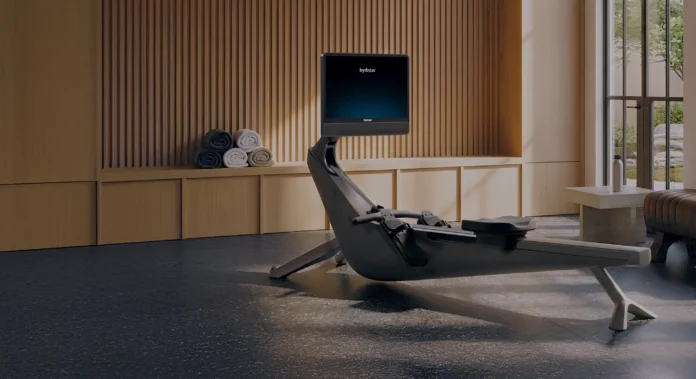
Hydrow’s story is part cautionary tale, part second act. Imagine a well-oiled rowing machine: the chain still moves, the seat still glides, but someone behind the curtain is changing out the gears. The question a lot of business-watchers—and customers—are asking now is simple: Is Hydrow quietly sinking, or is there more mileage left?
Let’s shake out the rumors, pull up the numbers, and see what’s actually happening behind Hydrow’s glossy screen.
Current Status: Still Rowing, Thanks for Asking
For starters, Hydrow isn’t dead, nor even gasping for air. It’s a live company, not just a corporate ghost. Hydrow’s paperwork (cue the oddly reassuring legal filings) lists it as an active, private business, headquartered in Boston and padding along with around 119 employees. With cash raised through 2025 totaling a hefty $320 million, the company isn’t running on fumes—or at least, not quite yet.
Open questions about its fate keep popping up online. That said, Hydrow’s Better Business Bureau listing shows its membership service paid and valid through mid-2026. Trustpilot is full of late 2023 to early 2024 reviews discussing the app, new pricing, and “retention offers.” In short: customers are still paying, rowing, and (occasionally) complaining.
You can still buy a Hydrow rower, get a membership, and watch fresh workout videos. So, to cut through the noise: No, Hydrow isn’t out of business. There’s no bankruptcy filing, no sitewide going-out-of-business sale—at least not as of our deadline.
So Why All the Panic?
Here’s the rub: The connected fitness hype train of 2020 has long since slammed on the brakes, and Hydrow—like its more famous cousin Peloton—got caught standing when the music stopped.
Once valued for a possible billion-dollar IPO, Hydrow bet big on the “at-home everything” boom. But then gyms reopened, and millions of us realized our spare bedrooms didn’t want to double as miniature rowing studios forever. The demand for in-home gadgets tanked, and Hydrow was forced to face some bloody Mondays.
Let’s talk layoffs. In July 2022, Hydrow slashed roughly 70 jobs, about 35% of its then-staff, citing souring market conditions. Six months later, in early 2023, they chopped another 25%. That’s two major layoffs in less than a year—enough to trigger dread among employees and a minor existential crisis for anyone eyeing a Hydrow rower on Craigslist.
And yes, reviews from actual Hydrow users spell out the mood. Some ask outright if the company “has gone out of business”—because communication can get fuzzy during times like these. Others are miffed about creeping subscription prices or “desperate” annual payment offers. Read between the lines and you’ll see a company throwing lifelines to keep subscribers on board while making tough choices to stay afloat.
At large, the message is clear: Hydrow is still rolling out workouts, but the question behind every update is this—How much longer can they keep this up?
The Private Equity Era: New Owners, New Game
Here’s where things get more Wall Street than weight room. Hydrow’s founder-led era is over. It sold a huge chunk of itself in a $200 million Series C round led by L Catterton, one of those investment shops that loves distressed fitness brands almost as much as they love secret deal memos.
Dig into the shareholder records and you’ll find a finance-flavored cast: L Catterton, Constitution Capital Partners, Highland Capital, Liberty Street Funds—the new majority, all sitting at the grown-ups’ table. Their goal isn’t to build a cult brand; it’s to nudge Hydrow toward profitability, dress it up, and, at the right time, either flip it to a bigger fish or take it public (if the markets ever fall in love with rowers again).
That’s not just speculation. One detailed analysis says Hydrow is being “groomed for a strategic acquisition or IPO”—with the ultimate fate tied to recurring subscription revenues and not just flashy hardware sales.
There’s another twist: Hydrow is trying to break out of the rowing niche. In 2024, they grabbed a controlling stake in Speede Fitness, a startup building strength-training gear using AI. The play? Broaden Hydrow’s hardware lineup and add new reasons for members to stick around—and pay. Last year’s unit sales even ticked up 35%, according to then-CEO Bruce Smith, which isn’t bad in a supposedly dying sector.
Hydrow’s boardroom, by the way, isn’t just bankers and MBAs. Celebrity investors like Justin Timberlake, Kevin Hart, Travis Kelce, and Aaron Rodgers have all joined the cap table. That means when Hydrow hosts a brand party, its guest list doubles as a fantasy football team.
Finally: There’s been a CEO shuffle. Bruce Smith (founder and face of Hydrow) slid over to board chair; John Stellato, who previously served as CFO and president, now handles day-to-day operations. For anyone tracking company lifecycles, that move usually means “we need a new playbook—and fast.”
Is Hydrow Actually At Risk? A Real Assessment
Time for the hard truth: Hydrow is not doomed. But it is riding through high seas, with rocks both ahead and astern.
The broader connected fitness market is in retreat. Peloton, the biggest name in the game, has its own headline troubles—meaning every smaller player (hello, Hydrow!) is under the same microscope. When your two-year trajectory involves laying off more than half your staff and whispering “churn rate” in every board meeting, it’s not business as usual.
Hydrow is aggressively cutting costs. Middle management has been winnowed, and line items have a sharper edge. One well-placed observer puts the odds of Hydrow ending up acquired—or maybe squeezing out a structured IPO—at 40-60%. Nobody is betting that the company grows its way into global domination; the focus is on survival, stabilization, and an eventual exit.
But there’s a catch: There’s zero real talk about bankruptcy or immediate liquidation. Hydrow is still shipping rowers, still running the app, and still cashing subscription checks—just with less swagger and more scrutiny than before.
The risk? If performance falters (read: big subscriber drop-offs, missed financial targets), future options narrow. Maybe it gets taken over by a bigger player, or—less excitingly—it could be carved up in a “distressed” sale should things get rough. That’s the harsh reality in a crowded, margin-squeezed category. But for now, Hydrow remains on the water.
What Should You Do if You’re a Hydrow Customer?
That brings us to you—the person sweating over whether to buy a $2,000 rowing machine. Should you worry your rower will become a glorified clothes rack if Hydrow taps out?
Here’s the facts: Hardware sales and the Hydrow membership service are, in 2024, up and running. Real people are still paying for subscriptions, getting updates, and rowing together in virtual rivers. That’s not the story of a company quietly folding.
Institutional capital continues to support them. In fact, Hydrow’s private equity owners have just doubled down with an acquisition (Speede Fitness), a move that would make no sense if they were planning to shut things down tomorrow.
But, don’t ignore the real warning signs. Subscription prices have crept up, and user reviews note frustration with “value for money” and product support. The company has shed a lot of staff—meaning some delays or hiccups could show up if you ever need customer service.
Ultimately, there’s no official announcement of a shutdown, no bankruptcy declaration, and, so far, no sign your investment will suddenly disappear. Still, buying into Hydrow means accepting a bit of ambiguity. Success is not guaranteed; the company’s future will depend on its ability to prove out sustainable demand in a tough environment.
For anyone weighing the purchase (or renewal), it’s not just about how well the machine rows—it’s about how strong you think the company’s backers are. Institutional money helps, but market trends hold the final say.
That pragmatic outlook applies to the wider connected-fitness crowd, too. Want to go deeper on how subscription businesses handle distress, reinvention, and acquisition? There’s plenty more to read at InBusinessVoice—it’s packed with stories about brands pivoting, surviving, and sometimes taking a glorious second lap.
The Final Lap: What Really Matters for Hydrow’s Fate
Let’s call it as we row it: Hydrow is alive, running, and possibly “in transition” (to use the polite lingo). Staff cuts, price hikes, and ownership turnovers paint a picture of a company hustling to find its financial rhythm before the next big storm.
It’s no tragedy yet, but the margin for error is narrowing. Hydrow’s future—flotation or sinking—hinges on three things: whether at-home fitness has a true long-term audience, if subscription numbers hold up, and, of course, how much patience its institutional owners have before demanding results.
For now, you can keep rowing. Just know the water is choppy, the horizon murky, and the story still unfolding. If you like to watch companies fight for their next act, Hydrow is one to keep on your radar. Let’s hope, for rowers and investors alike, that the next chapter is more “comeback” than cautionary tale.
Read Also: