
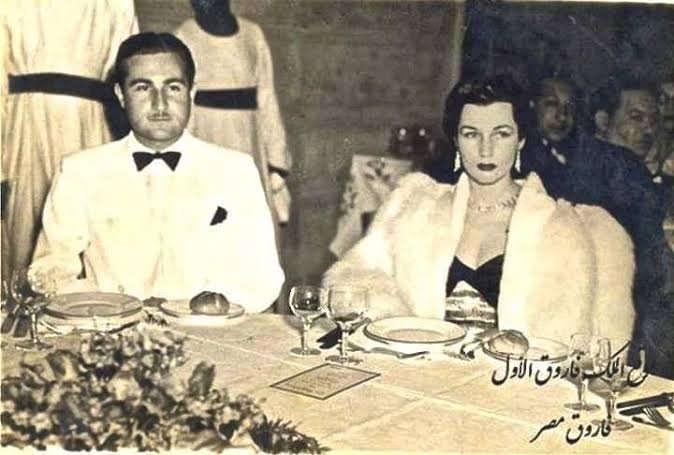
Most people who search for Nadia Ismail Chirine are following a thread that leads back to one of Egypt’s most recognized royal women — her mother, Princess Fawzia. Nadia herself was not a public figure in the usual sense. She was not an entertainer, a politician, or a reigning royal. But her name keeps appearing in genealogy records and royal-history searches because of who she was connected to.
This article covers who Nadia Ismail Chirine was, her family background and royal lineage, her parents, her own marriages and children, and why her name appears in different forms across various records. It also explains what her life represents in the broader story of Egypt’s former royal dynasty.
Who Was Nadia Ismail Chirine?
Nadia Ismail Chirine was an Egyptian woman born on 19 December 1950, according to genealogy and biographical records including MyHeritage and Wikidata. The same sources record her death as October 2009. These dates come from genealogy-based sources rather than independently verified archives, so they should be understood in that context.
Her significance is primarily genealogical and historical. She was not known as a public entertainer or political figure. She was known because of her family — specifically because her mother was Princess Fawzia of Egypt, one of the most internationally recognized women connected to the Egyptian royal house.
One thing that can cause confusion is her name. Across different records and databases, she appears as “Nadia Chirine,” “Nadia Ismail Chirine,” and “Nadia Ismail Rashid.” These all refer to the same person. The variation in names reflects different records using either her birth family name or a married name. The surname “Chirine” is also sometimes spelled “Shirin” in English-language sources, which is another reason different searches can seem to point to different people when they actually do not.
Her Mother, Princess Fawzia of Egypt
To understand why Nadia appears in royal-history searches, it helps to understand who her mother was.
Princess Fawzia was born in 1921 to King Fuad I of Egypt and Queen Nazli Sabri. She was a daughter of Egypt’s ruling dynasty and the sister of King Farouk, who would become Egypt’s last reigning monarch. That alone placed her at the center of one of the twentieth century’s most notable royal families in the Arab world.
Fawzia gained international attention through her first marriage. In 1939, she married Mohammad Reza Pahlavi, who later became the Shah of Iran. The match was highly publicized. She was widely described at the time as one of the most beautiful women in the world, and her photographs appeared in international publications. The couple had one daughter together — Princess Shahnaz Pahlavi — before the marriage ended in divorce.
After that marriage ended, Fawzia returned to Egypt. In 1949, she married Colonel Ismail Chirine, an Egyptian diplomat and former military officer. This second marriage is where Nadia’s story begins. Nadia was born the following year, in 1950, as Fawzia’s daughter from this second marriage.
It is worth being clear here: Nadia is not the same as Shahnaz Pahlavi. They were both daughters of Princess Fawzia, but from different fathers and different marriages. Shahnaz was Fawzia’s daughter from the Iranian royal marriage. Nadia was Fawzia’s daughter from the Egyptian marriage to Ismail Chirine.
Nadia’s Father and the Chirine Family
Nadia’s father, Ismail Chirine, was an Egyptian diplomat and former military colonel. The Chirine family had its own connections to Egypt’s aristocratic circles, meaning Nadia came from notable lineage on both sides of her parentage.
Fawzia and Ismail Chirine had two children together. Nadia was the first. Their second child was a son, Hussein Chirine, who died in 2016 according to family-connected sources. Together, Nadia and Hussein were the two children of Princess Fawzia’s second and final marriage.
Through her mother, Nadia was a granddaughter of King Fuad I of Egypt. Through her father, she was connected to the Chirine family’s own aristocratic history. Both lines placed her firmly within Egypt’s historically significant social circles, even though she did not live as a functioning member of any reigning royal family.
Nadia’s Place in Egypt’s Muhammad Ali Dynasty
The Muhammad Ali dynasty ruled Egypt from the early nineteenth century until the monarchy was abolished in 1953. This was the royal house that Nadia descended from through her mother.
The family line runs simply: King Fuad I of Egypt was Nadia’s maternal grandfather. His daughter, Princess Fawzia, was Nadia’s mother. That makes Nadia a direct descendant of the Muhammad Ali dynasty — the last royal house of Egypt.
Egypt became a republic in 1953, when Nadia was approximately two years old. So while she carried royal ancestry by birth, she grew up and lived her entire adult life in a republic. She was never a functioning royal in the sense of holding an official office or performing constitutional duties. Being “royal by ancestry” is genuinely different from being a reigning royal, and that distinction matters here.
Nadia’s situation is similar to that of many descendants of former royal houses around the world. The family connection is historically meaningful, but day-to-day life unfolds as a private citizen.
Marriages and Children
According to available biographical summaries, Nadia married twice. Her first husband was Egyptian actor Yusuf Shaaban. Her second husband was Mustafa Rashid — which explains why some records list her as “Nadia Ismail Rashid” rather than “Nadia Chirine.”
The same sources identify two daughters. Sinai Shabaan is associated with Nadia’s first marriage, and Fawzia Rashid is associated with her second. It is worth noting that these details come primarily from genealogy databases and secondary family-history sources rather than independently verified biographical archives. They are reported here carefully and should be understood in that light.
Beyond the names of her husbands and daughters, detailed personal information about Nadia’s life — her education, career, residences, or other private matters — is not reliably documented in public sources. This is not unusual for someone whose public significance rests mainly on family heritage rather than their own public career.
Why Her Name Appears in Genealogy Searches
For anyone who has come across Nadia’s name while researching the Egyptian royal family or Princess Fawzia, the reason is straightforward. She connects several historically notable family lines in one person.
Through her mother, she links back to Egypt’s last royal dynasty. Through her mother’s first marriage (which was Fawzia’s, not Nadia’s), she is related — by family — to the Iranian Pahlavi royal line. Through her father, she connects to the Chirine family’s Egyptian aristocratic background. Genealogy websites surface her name because she is a documented direct descendant of King Fuad I.
A simple timeline helps put everything in order:
- 1921: Princess Fawzia is born to King Fuad I of Egypt.
- 1949: Fawzia marries Colonel Ismail Chirine.
- 1950: Nadia Ismail Chirine is born on 19 December.
- 1953: Egypt’s monarchy is abolished and the republic is declared.
- 2009: Nadia dies, according to genealogy and biographical records.
This timeline shows clearly why Nadia belongs to a generation that was born into a royal family but grew up entirely in republican Egypt.
A Private Life Within a Famous Family
Nadia Ismail Chirine was never a headline figure. Her name does not appear in political history, entertainment archives, or major news coverage. What she represents, for people researching Egyptian royal history, is a direct human connection to a dynasty that shaped Egypt for over a century.
Her mother, Princess Fawzia, left a well-documented historical record — the international marriage, the photographs, the diplomatic significance. Nadia’s story exists largely in the background of that larger narrative. She was a daughter, a mother, and a member of a family whose history was far more public than her own life.
For those interested in the broader world of royal history and family genealogy, resources like Start Business Media cover stories that connect personal histories to wider historical contexts.
What the records do confirm is enough to place her clearly: she was born into one of Egypt’s most significant families, she lived through a period of enormous change in her country, and she left behind children who carry those family connections into a new generation. That, in itself, is a meaningful part of the broader story of Egypt’s former royal house.
Read Also: